


‘Start Now.’ A Q&A with Lisa Germano, JD, CPA, on Achieving Retirement Goals and Financial Literacy
May 01, 2026
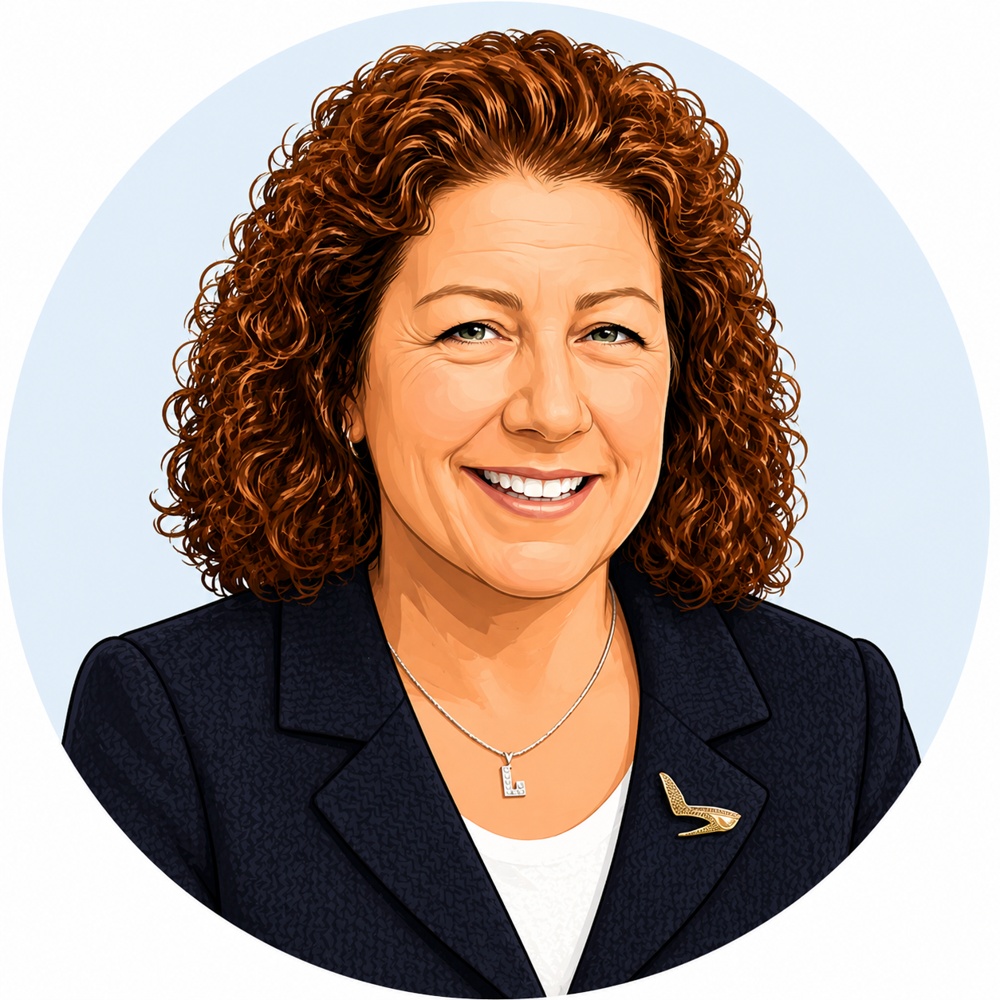
Lisa Germano, JD, CPA, is co-founder, president and general counsel at Actuarial Benefits & Design Company in Midlothian.
Lisa’s turning her passion for financial literacy and retirement planning into a monthly series. Watch for her new column beginning with the June 2026 issue Disclosures magazine.
Lisa, what first sparked your passion for financial literacy, particularly in the retirement plan space?
Mid-career, I saw a consistent disconnect between the sophistication of retirement plans and the level of understanding participants had about them. We were creating well-designed, tax-advantaged deferred compensation plans designed to create long-term financial security, but many employees didn’t fully understand how to use them effectively. That gap today has real consequences — missed savings opportunities, poor investment decisions, and ultimately inadequate retirement outcomes. Early in my career, we did not need to focus on financial literacy — trustees invested plan assets and plan sponsors made larger commitments to contributions than they generally do today.
That realization made it clear to me that financial literacy isn’t just a “nice to have” — it’s foundational to whether these plans actually achieve the goal for retirement security.
You’ve spent years working with retirement plans. What are the biggest misconceptions participants have?
One of the biggest misconceptions is that simply being enrolled in a 401(k) is enough. Participation alone doesn’t guarantee success. Contribution rates, investment choices, fees charged and long-term consistency all matter significantly.
Another common issue is misunderstanding risk or not having a strategy — either being too conservative early on or too aggressive later as individuals need to make up for lost time. Many participants also underestimate how powerful compounding is, especially when starting early.
Ultimately, people tend to view retirement planning as something distant and abstract, rather than a series of decisions they’re making right now. Retirement should be one of the best times of our lives, if not the best time.
Why do you think financial literacy is still such a challenge, even with more information available today?
Access to information isn’t the problem. Interpretation and application are. Financial concepts can be complex, and the 401(k) “industry” hasn’t always done a great job translating them into practical, actionable guidance. The CPA profession took up the slack, and being the trusted advisors we are known to be, we are in a much better position to consistently remind plan participants why they need to be their own advocates.
Behavioral factors also play a huge role. People procrastinate, avoid decisions that feel overwhelming, or default to inertia. Even highly educated individuals can struggle with financial decision-making because it involves uncertainty and long-term thinking.
The turn from trustee-directed plans also has affected the need to educate participants. Many do not believe an annually funded profit-sharing plan without salary deferrals can be better than a 401(k) plan. That is so important to understand.
That’s why education needs to be clear, relevant, and tied directly to real-life outcomes.
How have you approached improving retirement plan literacy in your work?
My focus has always been on simplifying without oversimplifying. That means helping participants understand not just what to do, but why it matters.
We emphasize clear communication — breaking down plan features, illustrating outcomes, and showing the impact of decisions over time. For example, demonstrating how increasing contributions by just 1–2% can significantly change retirement readiness. We enjoy working with financial planners and investment advisors who value team effort and partnership to achieve the results desired.
Another key approach is aligning plan design with behavior. Today, features like 401(k) automatic enrollment and escalation help bridge the gap between knowledge and action. But employers need to help participants understand the value of deferred compensation. Increasingly this education is put upon CPAs as they work with their clients and employers who sponsor these plans.
What role do employers play in advancing financial literacy?
Employers play a critical role. A retirement plan is one of the most valuable benefits they offer, but its effectiveness depends on employee engagement.
Employers can support literacy by providing ongoing education, offering tools that show real-time impact of decisions, and designing plans that encourage positive behavior.
When employers invest in financial literacy through their corporate culture, they’re not just helping employees, they’re improving workforce stability, productivity, and long-term outcomes which feed back to the corporate mission.
What keeps you motivated to continue advocating for financial literacy?
It’s the impact. When someone understands their plan and takes control of their financial future, it changes their trajectory. For me, it is fulfilling. When I hear my CPA colleagues getting out and teaching basic financial literacy, it fills me up; I am proud of my profession — that is volunteerism at its best. When I work with investment advisors to partner and solve the problem with a specific set of circumstances, it is fun because we then challenge ourselves to compare the results over time.
Retirement plans are one of the most powerful tools we have for building long-term financial security, but they only work if people understand and use them effectively.
Bridging the gap between access and understanding is what drives me. There’s still a lot of work to do, but it’s meaningful work.
If you could give participants advice, what would it be?
Start now. Don’t wait until you feel like you understand everything. Find trusted advisors/coaches with help from those who work in the retirement plan space and stick with them. Check in with them periodically each year.
Financial literacy isn’t about perfection — it’s about progress. Everyone wants to wait for the perfect time to start thinking/planning, but the only perfect time is right now.