


The Three-Legged Stool of Retirement Security
June 01, 2026
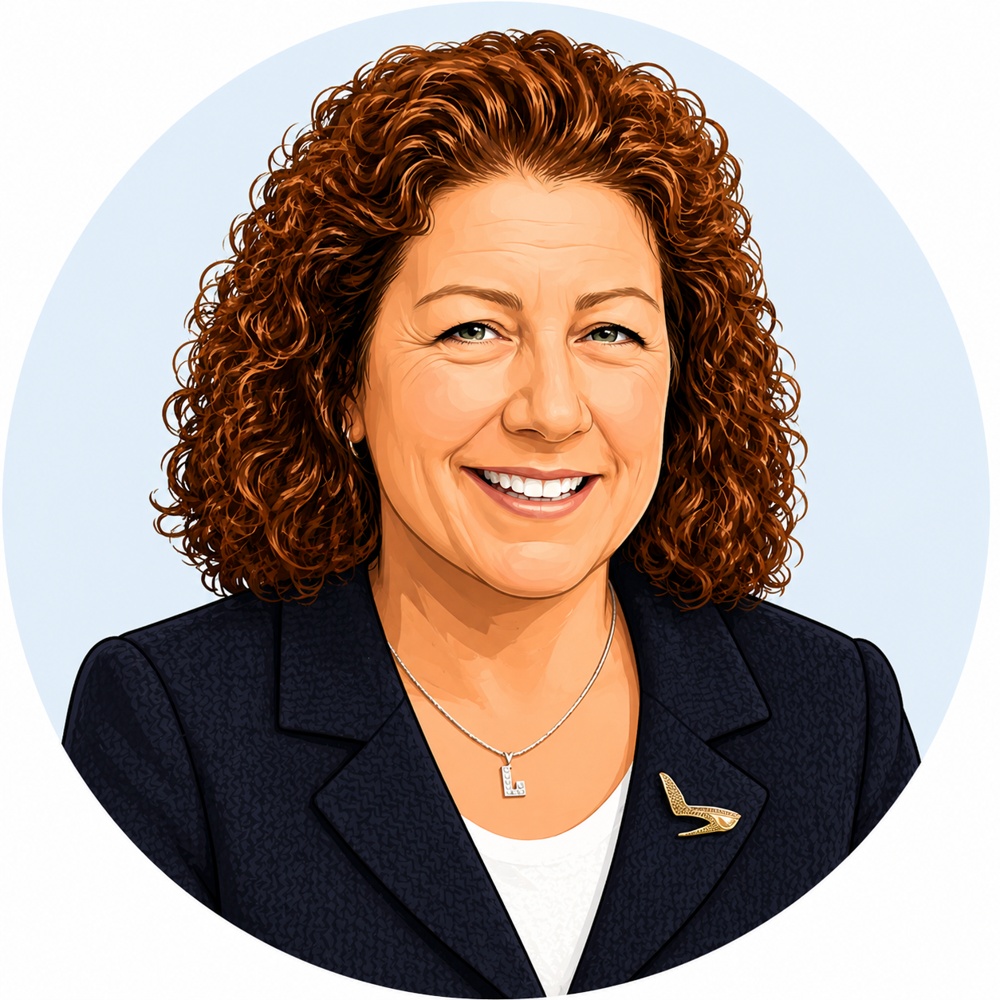
Lisa Germano, JD, CPA, is co-founder, president and general counsel at Actuarial Benefits & Design Company in Midlothian.
A note from Lisa: Financial literacy for retirement plans comes in many forms and I hope this column provides insightful information for plan participants as well as plan sponsors. Some of us wear both hats and the goal should remain the same: dignified retirement at the right time and in the manner we want for Simply the Best Time of Life. Any suggestion for topics is welcome!
"People of my age are all retiring. I've got more things I want to do now than ever." Theodor Geisel
The traditional “three-legged stool” remains one of the clearest ways to explain how to grow retirement income and one of the ways I have taught retirement security throughout my career. I’m not sure it is taught today unless one takes an economics class, but it should be taught first in middle school branching out to more complex derivatives during high school.
Each leg plays a different role in helping retirees maintain financial independence and stability throughout retirement. Each leg also has many component parts that have their own component parts — and that is the intention for this series to envision Simply the Best Time of Your Life: the components are easy to work on one at a time and that is what I hope to help us focus on.
To be honest, I have had some of the best times of my life already, and if I am around to enjoy Simply the Best Time when I begin the “back nine”1 of my life, I will be doubly blessed because it is what I have thought about for many years — for my clients. My kids and family, work and work family, and many good friends have given me such incredible joy. But the pressures of work (busy season) and never getting any younger brings us all at certain points in life to a place where we look behind and want to plan ahead.
This is a Start Now for everyone, regardless of whether you are looking back or ahead. This is your vision. No vision becomes reality if you don’t have a plan, as one of my great mentors, Jim Ball,2 reminded me — and a plan is just a dream unless you write it down.
1. Social Security
The current foundation of retirement income, Social Security retirement benefits are based on lifetime earnings and are designed to provide monthly income beginning as early as age 62 for eligible workers. Delaying benefits beyond full retirement age may increase monthly benefit amounts. Start Now with an online Social Security account and once each year verify that your proper earnings were recorded and create alerts to avoid anyone taking over your account.
2. Employer or Work-Related Retirement Plans
Workplace-sponsored savings programs such as 401(k), pension, and profit-sharing plans help workers accumulate long-term retirement assets through salary deferrals, employer contributions and tax advantages. Employer-sponsored plans continue to be a primary source of retirement savings for many Americans. With the increase in gig work and failure for employers to initiate a workplace retirement plan, there is now a requirement in Virginia for certain small businesses to sponsor a retirement plan or pay penalties. Twenty-two states have done likewise.
3. Personal Savings and Investments
Individual savings accounts, IRAs, brokerage accounts, and personal investments provide flexibility and additional retirement security. Federal investor education resources encourage disciplined saving, diversification, and long-term investing strategies to prepare for retirement. Too many workers rely on inheritance or selling their business as the sole retirement strategy — of course, that thinking lacks diversity. Diversity in investments is a core principle.
4. Optional Fourth Leg: Working Beyond Retirement
Many individuals today are adding a fourth leg to retirement security by continuing to work beyond traditional retirement age. Some people discovered they did not save enough, and others work because they are spending more due to unanticipated inflation, health issues, or because they found fulfillment in getting out and being part of something while earning additional money. Part-time work, consulting, phased retirement or second careers may provide supplemental income, social engagement and delayed reliance on retirement assets. The Social Security Administration has a matrix to help you decide when to begin taking benefits.
Together, these components can create a more balanced and resilient retirement strategy capable of helping individuals manage inflation, health care costs, longevity risk and unexpected financial challenges.
Hopefully, you will agree that the Three-Legged Stool is a very basic component for understanding retirement income. Perhaps you can adopt this concept with your client encounters and find good CPA resources to send your clients for assistance beyond your own services.
As Dr. Daniel Selby, CPA, CISA,3 taught us at a recent Richmond Chapter event, CPAs must collaborate to ensure our clients obtain the information they need. Working in silos leaves some key tools left unsaid, where collaborative relationships can show clients we, as trusted advisors, are more than tax preparers, auditors, etc.
If you’d like to provide basic financial education in schools, where it is so desperately needed, reach out to VSCPA Pipeline & Diversity Director Molly Wash or check out the CPAs in the Classroom program.
- My dad, Joe Germano, was an exceptional golfer whose motto is “Golf is Life.” He reminded me that the “back nine” of life is what you make it to be. At almost age 101, he has set the bar high for me for my own “back nine.” [Author's Note: My dad, a World War II veteran, passed away shortly after I completed this article. You can read about his remarkable life here.]
- Jim wrote many books. This one encourages goal setting.
- Dr. Daniel Selby, CPA, CISA — May 15, 2026, Richmond VSCPA Chapter Meeting
Downloadable Resource for CPAs
Lisa has prepared a free PDF infographic on the three-legged stool of retirement security that CPAs can download and disseminate to clients.